As a patient, I’m sure it seems confusing out there. When you look up “physical therapy near me,” hundreds of clinics pop up. One thing that you might notice is that some clinics specifically brand themselves as sports physical therapy clinics while others do not. I want to help teach you the difference so you know exactly what to look for when making the best decision for your care.
Sports physical therapy isn’t just about getting you back to the gym or back on the field; almost anyone can do that. Most injuries will heal enough with time and a basic program to produce minimum results. But if you care about how you train, how you perform, and how long your body holds up, minimum isn’t acceptable. Traditional physical therapy often asks, “Can you function day to day?” or “Can you technically play your sport?” That’s entry-level performance. Sports physical therapy focuses on building the strength, durability, and confidence required to actually train hard and compete at a high level, not just participate.
One-on-one care is one of the most overlooked elements of true sports physical therapy and is where traditional clinic models often miss the mark. Behind the scenes, much of the industry is stretched thin. Many excellent physical therapists are expected to treat two, three, or even four patients at the same time. If you’re one of those patients, it’s nearly impossible to receive the level of attention your rehab actually deserves.
As a sports physical therapist, I place huge value on hands-on coaching and real-time verbal cueing. For example, when the quadriceps is weak, the knee often avoids bending properly during squats and lunges. A simple hands-on cue, guiding the knee into better positioning while reinforcing it with clear coaching, can completely change how that movement loads and adapts. Those small corrections are often the difference between stalled progress and real improvement.
When care isn’t truly one-on-one, these critical details get missed. And in sports rehab, details matter.
When it comes to assessing strength, there are really only two options: we can TEST or we can GUESS. Too often, athletes are cleared to return to sport without any formal strength testing ever being performed. I absolutely agree that quality of movement often matters more than quantity — but why not demand both?
My sports physical therapy philosophy is simple: your movement has to earn it visually and objectively. Can I clearly see improved control, better positioning, and eliminated compensations? That answer has to be yes. Then we take it one step further and ask: can the numbers prove it?
We use a combination of reliable methods to assess strength and power, with the goal of getting you as close to 95% side-to-side symmetry as possible. Ninety percent is our minimum standard before you “graduate.” Because in sports physical therapy, the details matter.
And as mentioned earlier, if a therapist doesn’t have the time or bandwidth to truly focus on you, there’s no way to properly assess these metrics or ensure both quality and capacity are maximized
It’s non-negotiable that sports physical therapy should challenge you to be great. If you are early in the post-operative phase, the priority is obviously protecting the repair and restoring foundational movement. But if you are a non-operative patient or when the time is right in your post-operative phase, your program should begin to resemble intelligent strength and conditioning, with rehab strategies layered in — not the other way around.
I also believe it’s a major advantage when sports physical therapists hold formal strength and conditioning credentials. The CSCS through the NSCA is considered one of the gold standards in the industry. If your therapist carries this or another respected strength certification, it’s a strong indicator they understand how to progress load, manage volume, and safely push performance — not just prescribe exercises.
Most importantly, your exercise program must reflect the actual demands of your sport. Rehab shouldn’t live primarily on a treatment table. If you’re a powerlifter, your program needs higher-force movements that prepare you for heavy loading. If you’re a field athlete who needs to jump, cut, and sprint, your rehab must include thoughtful progressions that rebuild those exact skills. That’s how rehab turns into true return-to-performance training.
Hopefully I have equipped you with the tools to understand how sports physical therapy differs from traditional physical therapy. High-quality sports physical therapy combines individualized one-on-one care, objective strength testing, and progressive programming that prepares your body for the real demands of your sport.
For athletes and active adults who value these qualities, please do not settle for less. I understand how important sports and fitness can be in your life!
If you’re searching for a trusted sports physical therapy clinic in Shelby Township, MI or surrounding areas in Macomb County that treats you like an athlete, the right environment can make all the difference in how your comeback story finishes. We would love to help you make your dream results a reality at Souva Physical Therapy and Performance. Click the link below to contact us and get started.
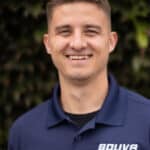
My experience as both a patient and a physical therapist shaped the business I wanted to create: an environment where you feel heard and are pushed to achieve greatness.
The best part of what I do is helping people like you see what’s truly possible through a personalized plan and relentless teamwork to get you back to your strongest self.